
Table of Contents
- Introduction
- What Is Retrofuturism in Graphic Design?
- The Origins of Retrofuturism
- Why Retrofuturistic Design Is Popular Today
- Key Visual Characteristics of Retrofuturistic Style
- How Retrofuturism Influences Modern Typography
- Recommended Fonts for Retrofuturistic Projects (RaisProject Collection)
- Design Tips for Using Retrofuturistic Typography
- Conclusion
- References
1. Introduction Retrofuturism in Graphic Design
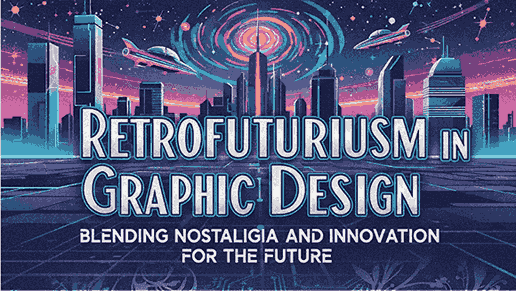
Retrofuturism in Graphic Design has become one of the most intriguing visual trends in modern design, combining nostalgic aesthetics with futuristic imagination. From sci-fi posters and neon-lit visuals to glitch effects and geometric minimalism, retrofuturistic design is now seen everywhere—from branding to UI design and even typography.
For designers looking to blend the charm of the past with the innovations of tomorrow, understanding Retrofuturism in Graphic Design is essential. This article explores its origins, its influence on typography, and practical ways to incorporate the style into modern creative projects using fonts from RaisProject.com.

2. What Is Retrofuturism in Graphic Design?
Retrofuturism is a design style that merges retro aesthetics (vintage, nostalgic, analog) with futuristic themes (technology, digital, space, sci-fi visions).
It represents a creative reinterpretation of how people in the past imagined the future.
In graphic design, retrofuturism often includes:
- Neon colors
- Pixel-style graphics
- Metallic or chrome effects
- Geometric shapes
- Analog and digital hybrid typography
- 80s & 90s sci-fi influences
- Synthwave and vaporwave elements
The combination creates visuals that feel both familiar and imaginative—connecting the viewer emotionally while still looking modern and innovative.
3. The Origins of Retrofuturism in Graphic Design
Retrofuturism dates back to early 20th-century sci-fi art, where posters, magazines, and films illustrated dreamlike visions of advanced technology. These early depictions strongly influenced modern design language.
Key eras that shaped Retrofuturism in Graphic Design:
- 1950s: Space Age optimism—flying cars, robots, atomic imagery
- 1970s: Analog computers, neon signs, techno-industrial themes
- 1980s–1990s: Arcade gaming, pixel art, VHS distortions, cyberpunk culture
- 2000s–present: Digital reinterpretations of nostalgic aesthetics
As modern design increasingly embraces bold and artistic expressions, retrofuturism has resurfaced as a powerful visual movement.
4. Why Retrofuturism in Graphic Design Is Popular Today
1. Nostalgia + Emotion
People connect emotionally with visuals inspired by gaming, old computers, neon signs, and retro films.
2. Digital Culture Revival
Design trends such as vaporwave, synthwave, cyberpunk, and glitch art revived retro digital aesthetics.
3. Brand Differentiation
Retrofuturistic visuals stand out in crowded digital landscapes, making them perfect for advertising, startups, and tech branding.
4. Aesthetic Versatility
The style can be bold, minimalistic, playful, or cinematic—making it ideal for diverse design needs.
5. Key Visual Characteristics of Retrofuturism in Graphic Design
Some identifying features of retrofuturistic graphic design include:
• Neon color palettes (pink, purple, blue)
Inspired by 80s arcade, vaporwave, and city-pop visuals.
• Chrome & metallic gradients
Reflecting industrial and sci-fi aesthetics.
• Pixel & analog technology motifs
Such as CRT screen textures or digital watch fonts.
• Geometric typography
Clean lines, minimalistic shapes, futuristic angles.
• Synthwave or cyberpunk themes
Combining retro culture with urban futurism.
• Grainy, VHS-style effects
Adds authenticity and nostalgia.
These elements are especially powerful in typography design—where typefaces become the core visual identity of retrofuturistic graphics.
6. How Retrofuturism in Graphic Design Influences Modern Typography
Typography plays a central role in expressing retrofuturistic style. Designers often use:
- Pixel-style digital fonts
- Retro arcade lettering
- Geometric futuristic sans serifs
- Analog-inspired digital watch fonts
- Bold, expressive display typefaces
Retrofuturistic typography blends the quirks of old-school lettering with the precision of modern digital design, creating a visually striking and memorable identity for branding, posters, packaging, and UI design.

7. Recommended Fonts for Retrofuturism in Graphic Design Projects (RaisProject)
Here are RaisProject fonts perfect for retrofuturistic-themed designs:
A. Tillamook Font – Retro Brush Style
A textured brush font with vintage charm. Tillamook adds a retro, handcrafted feel suitable for posters, retro campaigns, or branding that wants to combine nostalgia with modern layouts.
B. Time Watch Font – Digital Retro Display
Inspired by digital clocks and analog watch displays, this font is ideal for futuristic tech visuals mixed with retro digital nostalgia. Perfect for sci-fi posters, UI elements, game designs, and technology branding.
C. Racing Often Font – Pixel Retro Game Style
A pixel-style display font inspired by classic arcade racing games. This typeface captures retro gaming culture and fits well with cyberpunk, synthwave, and digital retrofuturistic designs.
D. Reincarnation Font – Elegant Vintage Serif
A stylish serif with timeless elegance. Reincarnation adds a sophisticated retro vibe that pairs beautifully with futuristic color schemes and layout styles—ideal for editorial, product packaging, and artistic branding.
8. Tips for Using Retrofuturism in Graphic Design Typography
1. Combine Retro + Futuristic Fonts
For example:
- Heading: Racing Often (pixel)
- Subheading: Time Watch (digital)
- Accent: Reincarnation (vintage)
2. Use Neon & Retro Color Palettes
Purple, cyan, magenta, orange—perfect for retro sci-fi vibes.
3. Add Glow, Grain, or VHS Effects
To intensify the retro-digital aesthetic.
4. Use Geometric Layouts
Minimal and symmetrical compositions emphasize futuristic concepts.
5. Keep It Functional
Even retrofuturistic designs must remain readable and balanced.
9. Conclusion Retrofuturism in Graphic Design
Retrofuturism in graphic design is more than a trend—it is a bridge between the nostalgia of the past and the imaginative vision of the future. The style blends analog warmth, digital charm, and futuristic innovation, offering endless creative possibilities.
With fonts like Tillamook, Time Watch, Racing Often, and Reincarnation from RaisProject, designers can easily craft retro-digital visuals that feel both emotional and modern. Whether for branding, posters, editorial design, or social media artwork, retrofuturistic typography creates designs that are visually striking, meaningful, and memorable.
10. References
- Letterhend Studio – Retro vs Futuristic Typography
- Typographica – Modern Display Typography Trends
- Creative Bloq – Retro & Futuristic Graphic Design Trends
- Smashing Magazine – The Rise of Retro Digital Aesthetics