
Table of Contents
- Introduction: When Fonts Become an Emotional Choice
- What Is Font Anxiety in Design?
- The Psychology Behind Font Selection Stress
- Why Choosing a Typeface Matters So Much
- Common Mistakes Designers Make When Facing Font Anxiety
- How to Overcome Font Anxiety: Practical Tips
- Examples of Fonts That Help You Decide with Confidence
- Conclusion: Designing with Calm and Clarity
- References
1. Introduction: When Font Anxiety In Design Become an Emotional Choice
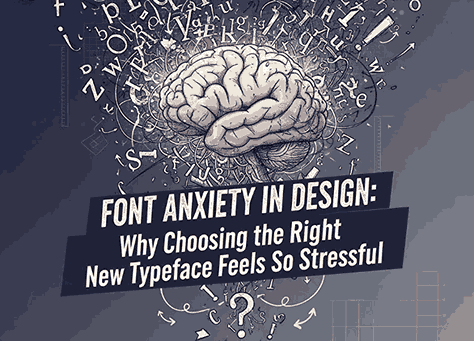
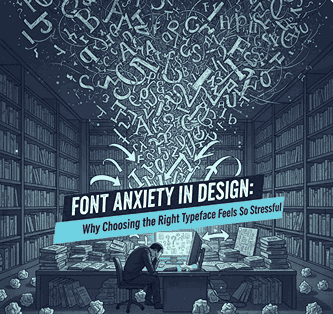
Font Anxiety In Design If you’ve ever stared at hundreds of typefaces, switching from one to another for hours and still feeling unsure — you’ve experienced font anxiety. It’s that overwhelming stress when you realize how much a font can change the entire look and feel of your design.
Whether you’re creating a logo, website, or branding identity, the pressure to pick “the perfect font” can feel like a life-or-death decision. Every choice reflects your creativity, professionalism, and even your client’s trust in your vision.
At RaisProject, we know this feeling well — because we design fonts that help reduce that anxiety by offering options that are versatile, balanced, and emotionally effective.
2. What Is Font Anxiety In Design?
Font anxiety in design is the psychological tension that designers experience when trying to select the right typeface for a creative project. It’s not just about indecision — it’s about emotional weight.
A font influences tone, emotion, and audience perception. Choosing the wrong one can make a design feel off-brand, unprofessional, or simply uncomfortable to look at. That’s why designers often overthink their options.
This anxiety happens because fonts carry emotional meaning. Every curve, weight, and spacing tells a story. Making the wrong typographic choice can feel like misrepresenting that story.
As Letterhend Studio explains, typography choices trigger both aesthetic and psychological pressure, especially for perfectionist designers.
3. The Psychology Behind Font Anxiety In Design Selection Stress
Typography psychology is real. Fonts affect how we feel about the content we see. Serif fonts feel traditional and trustworthy; sans serifs feel clean and modern; scripts feel personal and emotional.
So why the anxiety? Because designers subconsciously worry about how the audience will interpret their choice. Fonts communicate personality — and nobody wants to choose the wrong “voice.”
Researchers in Psychology Today note that visual decisions trigger emotional responses in the brain’s reward system. That means font choices can literally cause stress, especially when creative identity or brand reputation is at stake.
In short: Font anxiety is creative pressure, amplified by emotional responsibility.
4. Why Choosing a Typeface Matters So Much
Fonts shape first impressions. They carry emotional cues that influence how users interact with design.
For example:
- A playful handwritten font makes a brand feel friendly.
- A geometric sans serif communicates confidence and clarity.
- A bold display font adds drama and visual impact.
That’s why designers can’t treat typography as decoration — it’s part of communication. A single font choice can elevate a message or completely ruin it.
In branding and marketing, typography is the silent ambassador of tone and identity. The wrong font can cause mistrust, while the right one builds recognition and emotional connection.
5. Common Mistakes Designers Make When Facing Font Anxiety In Design
When designers overthink typography, they often fall into predictable traps. Here are some of the most common mistakes:
- Using too many fonts – More isn’t always better. Mixing styles can create chaos and inconsistency.
- Choosing by trend, not function – Just because a font is popular doesn’t mean it fits your message.
- Ignoring readability – Aesthetics mean nothing if users can’t read your text easily.
- Over-personalizing choices – Fonts should match the brand, not your personal taste.
- Skipping testing – Fonts look different in print, mobile, or web environments. Always test them.
By understanding these patterns, you can reduce your font anxiety — because the goal isn’t perfection, but alignment between design, message, and emotion.
6. How to Overcome Font Anxiety In Design: Practical Tips
Want to make typography decisions without panic? Try these proven methods:
1. Start with the Brand Personality
Is the design modern, vintage, luxury, or playful? Identify adjectives that describe the project. This narrows your font options dramatically.
2. Use Hierarchy as a Guide
Pair fonts based on purpose: one for headlines, one for body text. Simplicity brings clarity.
3. Test Emotion with Context
Preview your typefaces in real mockups, not just alphabet samples. Seeing the font in context helps you feel its emotional tone.
4. Limit Your Choices
Choose three to five fonts that fit your direction — then test and trust your instinct.
5. Use Reliable Font Libraries
Sites like RaisProject offer curated professional fonts that reduce the guesswork. Each typeface is crafted to communicate clearly, saving you time and stress.
7. Examples of Fonts That Help You Decide with Confidence
Here are a few RaisProject fonts that can ease your font decision process by offering clarity and versatility:
Handlist Font
A smooth handwritten script that feels authentic and friendly — perfect when you want a personal touch without losing readability. Ideal for lifestyle or branding designs.
Black Grow Font
A timeless serif font that projects confidence and structure. Use it for editorial layouts or professional brands that need trust and authority.
Fast Ratio Font
Clean and minimal sans-serif with a geometric base. Ideal for tech, business, and digital design — modern without being cold.
Adney Adison Font
A stylish display font with a blend of artistic flair and balance. Great for creative projects that need personality without overwhelming visuals.
Each of these fonts demonstrates how typography can be expressive and functional — the perfect antidote to font anxiety.
8. Conclusion: Font Anxiety In Design with Calm and Clarity
Font anxiety in design is something every creative experiences. It’s not a weakness — it’s a sign that you care about communication and impact.
But with the right mindset, knowledge, and curated font choices, you can transform that anxiety into clarity. Remember: good design isn’t about choosing the “perfect” font — it’s about choosing the right one for your story.
At RaisProject, our mission is to make typography easier for designers worldwide by creating fonts that inspire confidence, simplicity, and emotional connection.
9. References
- Letterhend – Understanding Font Anxiety
- Smashing Magazine – The Psychology of Typography
- Psychology Today – Emotional Triggers in Design Decisions
- Creative Bloq – How Fonts Influence Design Decisions